Welcome
A genuine welcome for all, wherever you are on your journey.
Romans 15:7 “Welcome one another… just as Christ has welcomed you.”
Worship at the Heart of our Community
This page helps you get to know St James’ Church a little better - who we are, what we believe, and how we serve our community today. Alongside our worship and welcome, it offers a fuller picture of the people, values and life of the church.
At St James’ Church, our vision is to be a welcoming and prayerful community at the heart of Haslingden, where people of all ages can encounter God, grow in faith, and find a place to belong. We seek to share the love of Christ through worship, hospitality, and service, and to be a church that is both rooted in tradition and open to the needs of the world today.
A genuine welcome for all, wherever you are on your journey.
Reverent, joyful worship centred on the Eucharist and prayer.
Building caring relationships that sustain and support us.
Following Christ by serving others with compassion.
Encouraging lifelong learning and spiritual development.
A fully welcoming church where all are valued and included.
We are a traditional Anglican church rooted in Scripture, prayer, and the sacramental life. We believe in the Triune God - Father, Son and Holy Spirit - and we affirm the historic creeds of the Church. The Eucharist is at the heart of our worship, where we meet Christ in bread and wine and are strengthened to live out our faith in daily life. We seek to follow Jesus through welcome, community, service, and lifelong spiritual growth, trusting in the dignity of every person and the hope of the resurrection.
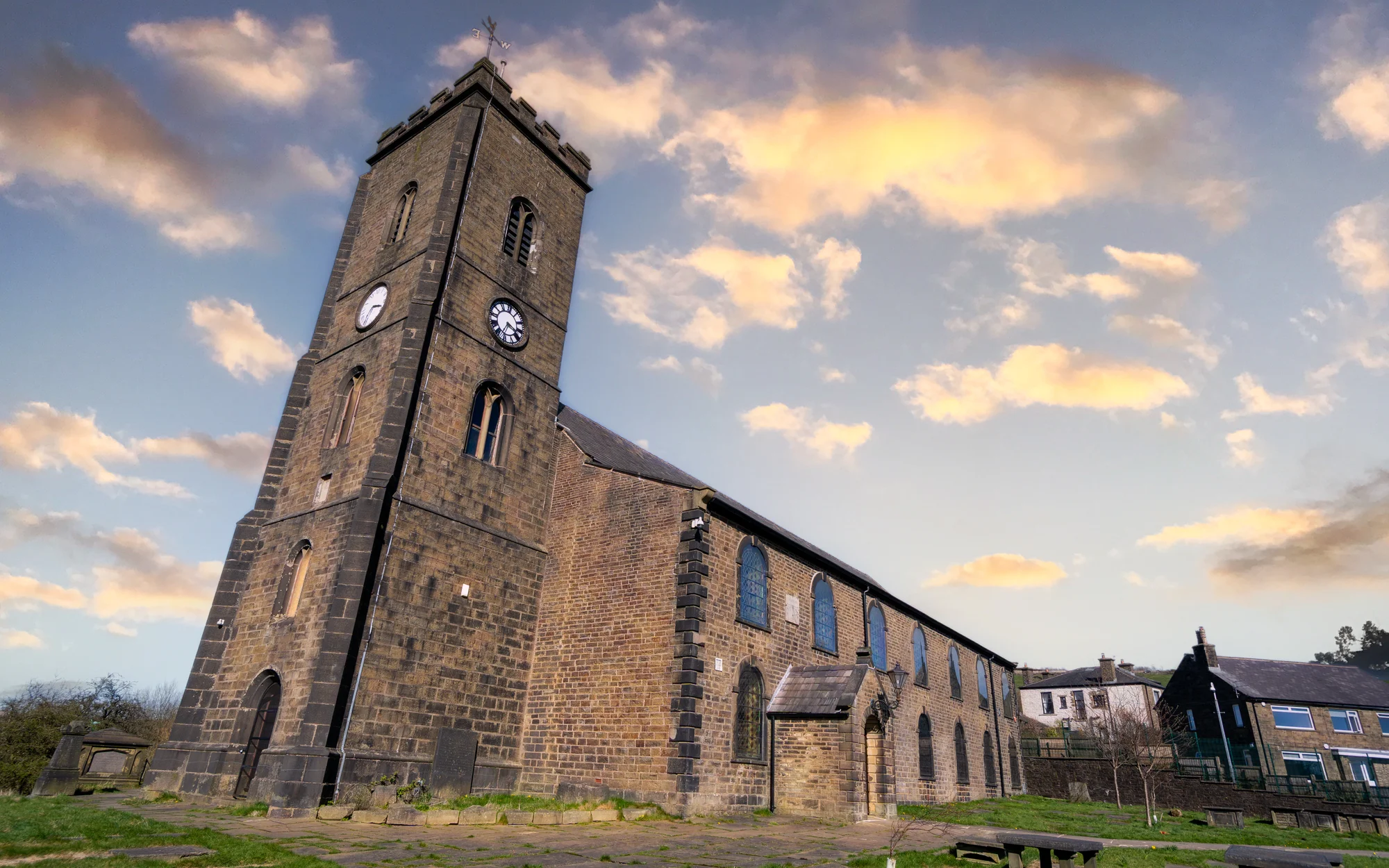
St James’ is rich in history, and we welcome those researching family history or exploring the heritage of the area.
The earliest recorded mention of Haslingden Church appears in 1284, when it was listed as one of the seven chapels within the Parish of Whalley.
The tithes, alterage and glebe were valued at £6 per year, giving us one of the earliest financial records of the church.
The value of the living was recorded in the King's Book as £17, 8 shillings and 3 pence.
The church was rebuilt in the Perpendicular Gothic style during the Tudor period, creating a larger and more impressive place of worship.
After centuries of burials within the building, the structure became unstable and eventually fell. A burial register entry famously records:
“Mary, daughter of Robert Ashworth of Sabden, who had her grave made near the pillar which occasioned the church to fall before she was buried.”
Funds were raised and rebuilding commenced. While construction continued, baptisms, weddings and funerals took place within the surviving tower.
The rebuilt church was completed at a cost of £1,450, restoring St James' as the spiritual centre of the community.
The old Tudor tower was demolished and replaced with the present tower, costing £900.
The current bells were cast in 1830 and a public subscription funded the church clock in 1831.
A gallery was constructed, expanding the church's capacity and functionality.
A magnificent four-manual organ built by Henry Willis was installed, becoming one of the church's most treasured features.
Following an arson attack, the church underwent a major reordering. New community spaces, a catering kitchen, exhibition area, modern worship space, heating and lighting systems were introduced.
On 27 February 2000, the church was re-hallowed and dedicated by Bishop Alan Chesters, marking the beginning of a new chapter.
In addition to the Leadership Team below there are many individuals who are part of Team St James’ and who have a significant part to play in the diverse ministry and maintenance of our Church.
"Now you are the body of Christ, and each one of you is a part of it." 1 Corinthians 12:27
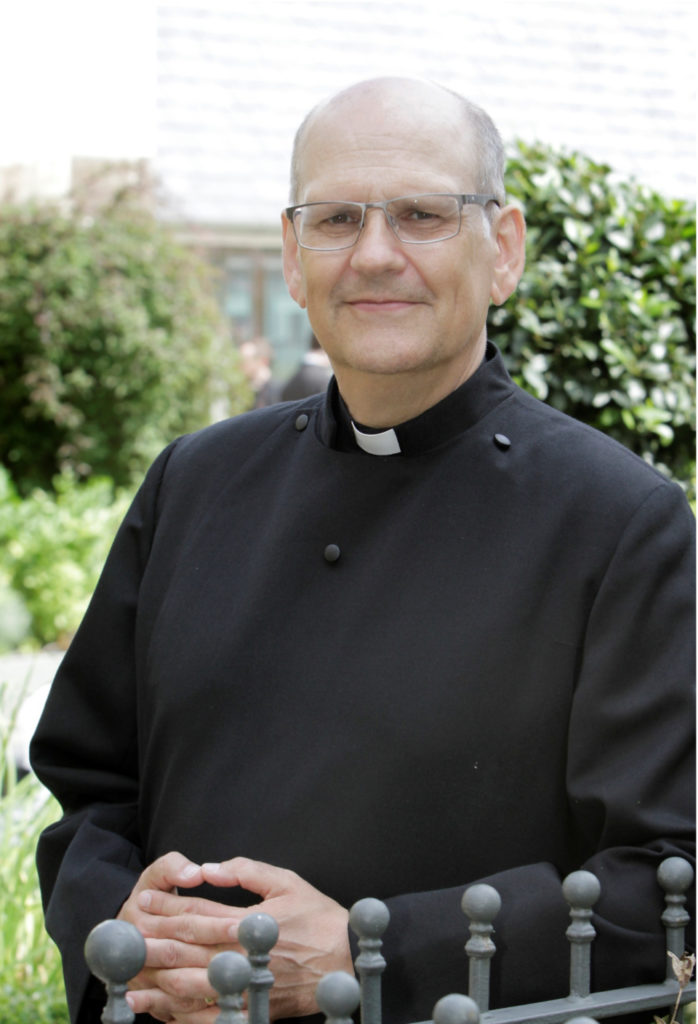
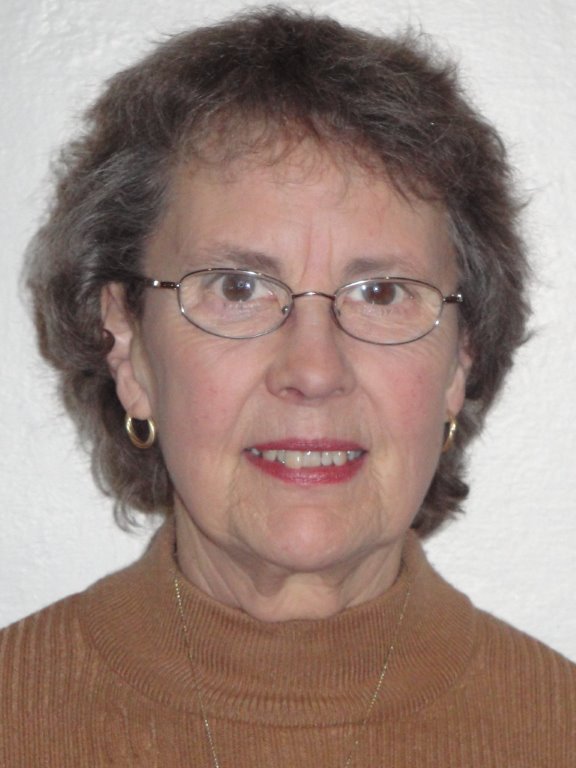
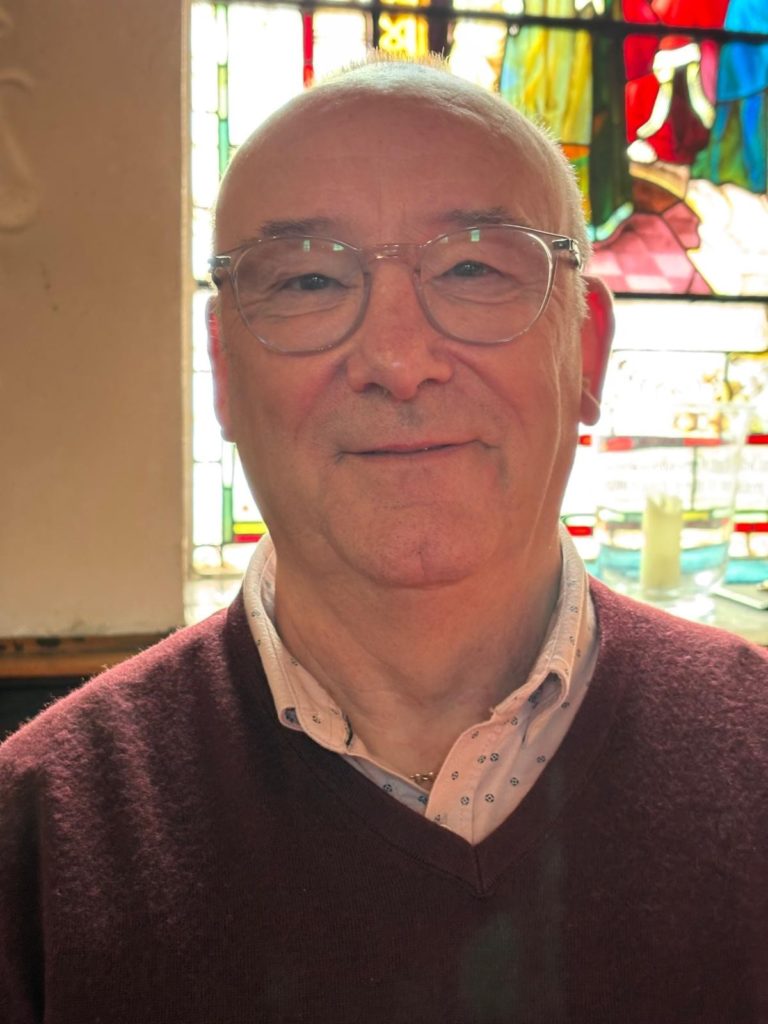

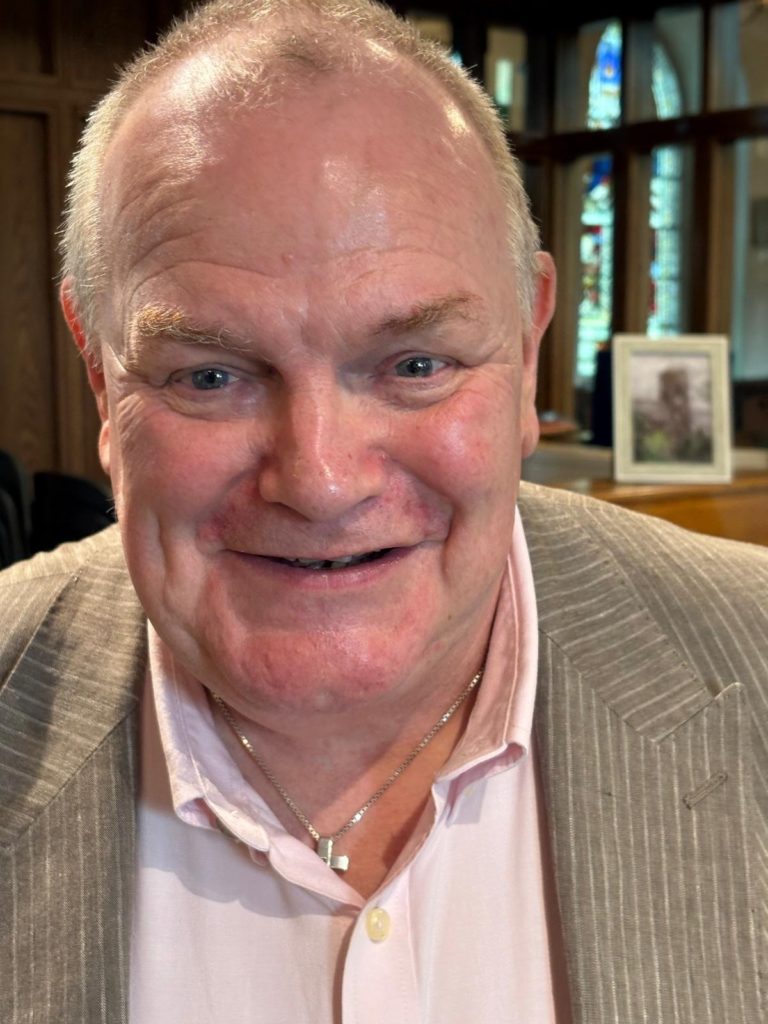

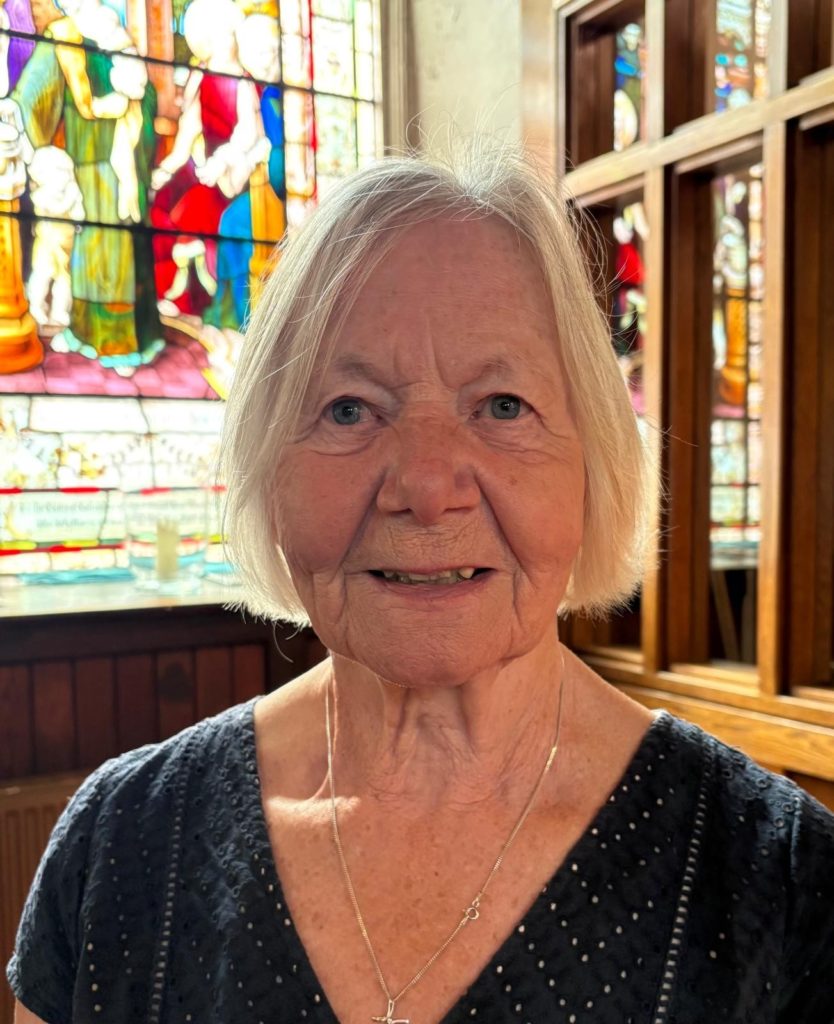
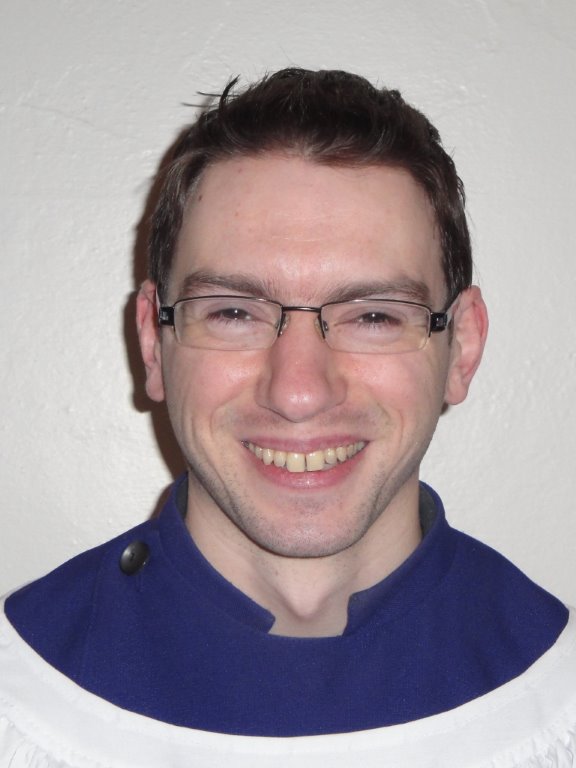
The Churchwardens and Parochial Church Council (PCC) work with the Vicar to further the mission of the church in the parish. They have overall governance and oversight responsibility for St James’.
The PCC meets regularly and has a full and varied agenda. Scrutiny of safeguarding issues and financial performance are prioritised. The PCC works hard to ensure good governance and compliance with church rules and national legislation. There are a number of sub-committees to whom it delegates work.
Once each year, the church holds an Annual Parochial Church Meeting (APCM), at which members of the church on the electoral roll are entitled to vote.
View our most recent Annual Report
If you know you want to join our electoral roll, please ask a Churchwarden or member of the PCC.
The electoral roll is the church’s register of electors and means that members can vote on church matters. It does not entail signing up to any additional commitments, but is required if someone wishes to stand for election to a leadership role or attend the annual APCM.
To apply to join the electoral roll, the following conditions apply:
You can be on the Electoral Roll of more than one church, but you can only serve on the PCC of one church at a time.
Joining the electoral roll is an important statement of witness and a step along the path of discipleship. With your name on the electoral roll, the strength of the Church can be seen in our local area and across the Diocese.
The electoral roll is revised every six years (last revision 2025). This means that everyone must submit a new application to be included in a brand-new roll.
You don’t need to wait until six years have passed to join the electoral roll; you can do this at any time.
Please click here to view our General Privacy Notice, which explains how we handle your personal data and your rights under UK GDPR.
We are proud to work alongside and support a number of teams and organisations, near and far, who do amazing work sharing the good news of Jesus Christ. Some also care for and help feed their communities in challenging situations.
We seek to be generous with our time and money, supporting charities locally, nationally and overseas, including Christian Aid, WaterAid, Macmillan Cancer Support and The Children’s Society.
Details about our foodbank can be found under the Community section of the website.
The graveyard surrounding St James’ is a closed graveyard. This means that there is no more ground available for new burial plots, although there is a section of land available for the interment of ashes.
Local historian Michael Hiluta has mapped St James’ graveyard to help people find ancestors who are buried here.
Please contact the church for further information.
Over the years, our beautiful building has served as a stunning backdrop for musical events, meetings and community get-togethers of all sizes. A number of community groups already hire the church facilities on a weekly basis.
Towards the back of the church is a hall, served by a large, well-equipped kitchen with an up-to-date 5-star food hygiene rating.
Our church is here for our community, so please get in touch if you’d like to use it.